
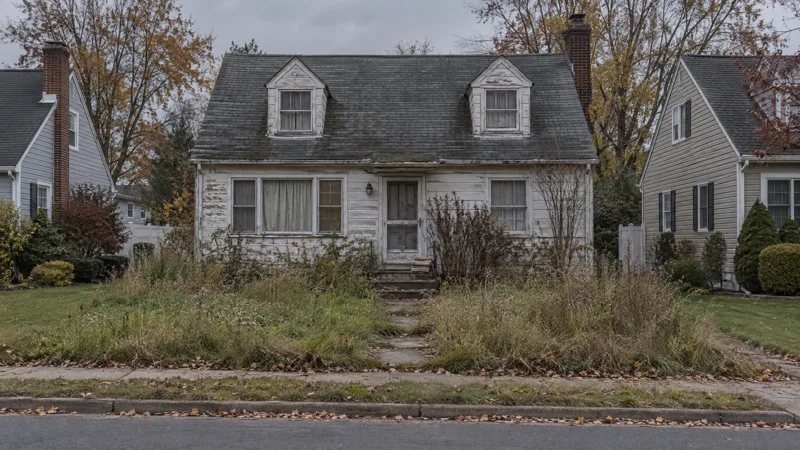
Finding distressed properties in high-demand areas can be challenging, but it’s highly rewarding. These properties often sell below market value, and with the right approach you can spot them early and turn them into successful investments.
What are distressed properties, and why are they valuable?
Distressed properties are homes sold because of financial trouble or neglect. The owner may be facing foreclosure or unpaid taxes, and the property is often priced below market value. They include:
- Foreclosures: homes the lender takes back when the owner can’t pay.
- Short sales: homes sold for less than the mortgage balance.
- Neglected homes: properties that need major repairs.
Why look in high-demand areas?
- Lower price: you buy below market in a market that holds its value.
- Rental income: popular locations attract tenants easily.
- Appreciation: values tend to rise faster in high-demand areas.
Investors typically use one of three strategies: fix-and-flip (renovate and resell), buy-and-hold (rent for steady income) or wholesale (assign or resell to another buyer).
How to find distressed properties
Public records and foreclosure listings
Public records identify homes in trouble and let you track down owners directly.
- Foreclosure listings: county and court websites list filings and auction dates.
- Tax records: delinquent property taxes are a strong distress signal.
- Court records: foreclosure proceedings are public, and dockets show where each case stands.
Driving neighborhoods
Drive the areas you want to buy in and write down addresses that show signs of distress, then check the public records. Look for overgrown lawns, broken windows or boarded doors, and notices taped to doors.
Attending foreclosure auctions
Auctions are one of the most direct ways to buy below market value, but research each property’s condition, occupancy and taxes before you bid.
- Find auction schedules online or at the courthouse.
- Shortlist properties in strong neighborhoods.
- Set a maximum bid and stick to it.
Signs of a distressed property
- Overgrown lawns and landscaping
- Peeling paint and cracked walls
- Damaged roofs or gutters
- Boarded windows, often a sign of foreclosure or abandonment
- Overflowing mailboxes, suggesting the home is vacant
- For-sale-by-owner or expired listings from motivated sellers
- Foreclosure notices and missed mortgage payments
- Life events, such as divorce, that motivate a quick sale
How to assess condition before you invest
- Start with a visual inspection for cracks, water damage, broken windows and neglected landscaping.
- Check for structural issues such as foundation cracks, roof damage or sagging floors.
- Assess plumbing and electrical for leaks, low water pressure and outdated wiring.
- Evaluate deferred maintenance, from peeling paint to failing HVAC.
- Look for pest or termite damage.
- Review the property’s history, including repairs, disasters and liens.
- Get a professional inspection whenever access allows.
- Estimate repair costs so you can set a realistic maximum bid.
- Consider the neighborhood: nearby homes, amenities and long-term value.
- Partner with experts: agents, contractors, inspectors and attorneys.
At auction you usually can’t get inside before you bid. That’s why we photograph every property 48–72 hours before the sale, canvass neighbors about occupancy and condition, and obtain interior photos whenever a property is confirmed vacant.
FAQs
Why are distressed properties sold below market value?
Because of financial pressure, foreclosure or the need for urgent repairs.
Can I find distressed properties without an agent?
Yes. Public records, auctions and data services all work, though experienced partners can save you time and mistakes.
What role do motivated sellers play?
Motivated sellers want to sell quickly, which makes it easier to negotiate a good price.
What are common mistakes?
Underestimating repair costs, skipping inspections and not researching the property’s legal status.
What are the long-term benefits?
Distressed properties can deliver strong returns through appreciation, rental income or a profitable flip once repairs are done.
Find your next deal with Bonaventura Auctions
We use our market knowledge and on-the-ground team to help investors find distressed properties in New York’s most in-demand neighborhoods. Create a limited access member account to browse the auction calendar.